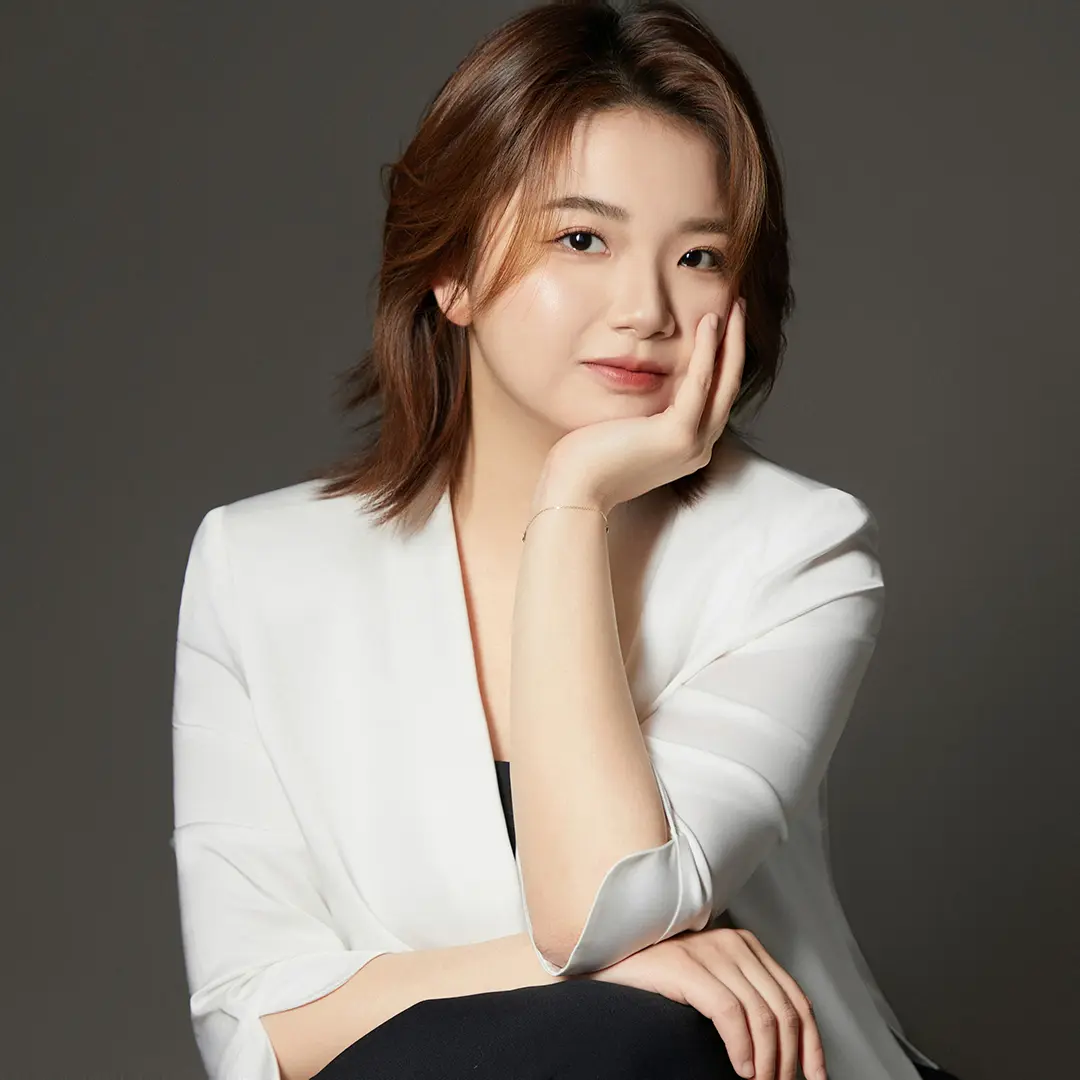
Protégé Recital Series: Claire Wells
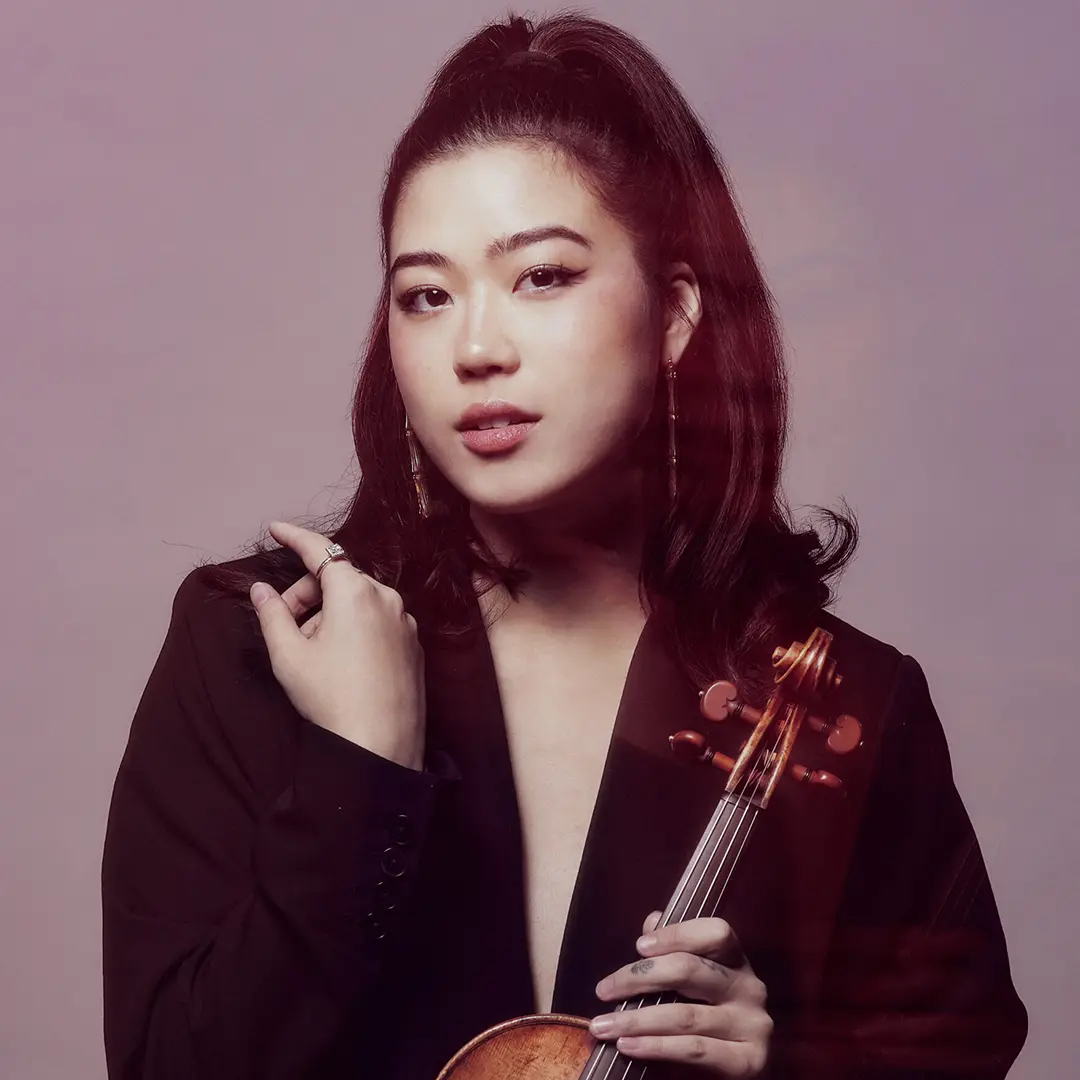
With roots in Eugene and international recognition for her musical voice, vivid imagination, and dynamic presentations, violinist Claire Wells has expanded her performance footprint throughout Europe. Since she was a Protégé Artist two years ago, Claire won the Susan Wadsworth Young Concert Artists International Auditions and Young Concert Artist Jacobs Fellowship and has performed dozens of festivals in the U.S. and abroad. Many have witnessed her exuberant finesse on CMNW stages, both as a Protégé in 2024 and at last summer’s festival. Claire will perform alongside three-time YAI Piano Fellow Pualina Lim in this special recital of Debussy, Prokofiev, Brahms, and Bartók, sure to entertain and melt hearts.
Irving Levin Performance Hall at All Classical Radio
Sunday, 10/4 • 4:00 pm
Program
Click on any piece of music below to learn more about it.
- CLAUDE DEBUSSY Violin Sonata, CD 148
Claude Debussy (1862–1918) Violin Sonata, CD 148 (1917)
I. Allegro vivo
II. Intermède: Fantasque et léger
III. Finale: Très animéDuring World War I Claude Debussy, suffering from a debilitating form of cancer, embarked on a project of composing six sonatas for various combinations of instruments. He completed three (the Cello Sonata of 1915; the Sonata for Flute, Viola and Harp of 1915; and the Violin Sonata of 1916–17), but was unable to finish the others before his death in 1918. His feelings toward the Violin Sonata were mixed at best: “I only wrote the sonata to be rid of the thing . . . [It] will be interesting from a documentary point of view and as an example of what is produced by a sick man in a time of war.”
Since then, however, audiences have found far more interest in the Sonata than Debussy anticipated. Having recognized that public taste moved in a traditional direction during the dire wartime years, Debussy adapted accordingly. A primary influence here is the music of César Franck and his “cyclic” form, in which melodies from early movements are recalled later in the work. The Allegro vivo opens with an austere introduction that evolves at moments into a tempestuous fury, with abstract fragments entering, receding, and returning throughout the movement. The enigmatic Intermède is at times jaunty and at others unsettling, using repeated notes as a constant canvas on which to interject pointed interruptions or beautiful melodies. The acrobatic Finale uses darkly mysterious chromatic scales, as well as melodies that seem to go in circles, fragmented, but recognizable.
—© Ethan Allred
- SERGEI PROKOFIEV 5 Mélodies, Op. 35
PROKOFIEV (1891–1953) 5 Mélodies, Op. 35 (1920)
I. Andante
II. Lento, ma non troppo
III. Animato, ma non allegro
IV. Andantino leggiero e scherzando
V. Andante non troppo
In 1920, Russian composer Sergei Prokofiev set out for the United States with high hopes for what awaited him across the Atlantic. Unfortunately, his travels got off to a rough start. Not only had one of his suitcases been stolen, but the highly anticipated Chicago premiere of his opera Love for Three Oranges fell apart.That December, eager for a change of scenery, Prokofiev journeyed to California to perform a series of piano recitals. He found himself astonished by California’s varied landscape and mild weather. As he wrote from Los Angeles, “I’m as ecstatic about California as it is about me.”
Filled with inspiration, Prokofiev put the finishing touches on Five Songs without Words for Voice and Piano, which would later become 5 Mélodies, Op. 35bis. Echoing Felix Mendelssohn’s Songs without Words, each song explores a different facet of the beauty of melody, radiating the contentment Prokofiev felt during his Californian sojourn.
—© Ethan Allred
- BRAHMS Violin Sonata No. 2 in A Major, Op. 100
JOHANNES BRAHMS (1833–1897) Violin Sonata No. 2 in A Major, Op. 100 (20’)
I. Allegro amabile
II. Andante tranquillo – Vivace
III. Allegretto grazioso, quasi AndanteCharacterized by gracious melodies and an easy partnership between violin and piano, the Violin Sonata No. 2 in A Major offers some of Brahms’s most idiomatic writing for the violin. The score is littered with his constant reminders: dolce, teneramente (tenderly), espressivo, sempre dolce. Even the tempo indication for the first movement spells out clearly the mood Brahms wishes to project: Allegro amabile – “Fast, [but with] love.” The movement begins with a graceful, flowing melody for piano, its phrases always answered by the violin. The violin soon picks up this melody and later shares the equally relaxed second subject with the piano.
The second movement combines the slow movement and the scherzo. The Andante tranquillo gives way to a tautly sprung Vivace, and these sections alternate through the movement. The music comes to a quiet close, then Brahms ends with a quick joke: a seven-bar fragment of the scherzo jumps up to bring the movement to its real close.
The violin has the stirring main theme of the concluding Allegretto grazioso. Alternating episodes grow more impassioned as the movement proceeds, but the noble main idea carries the music to its close.
—© Eric Bromberger
- BARTÓK Violin Rhapsody No. 2, Sz. 90
BARTÓK (1881–1945) Violin Rhapsody No. 2, Sz. 90 (1928)
I. Lassú: Moderato
II. Friss: Allegro moderato
Artists
-
 Claire Wells
Violin, Past Protégé
Claire Wells
Violin, Past Protégé
-
American violinist Claire Wells is acclaimed by audiences and press for her expressive musicality and rich, singing quality of sound. Claire has won numerous major prizes in renowned international competitions such as the Sibelius, Michael Hill, and Indianapolis competitions, and has collaborated with orchestras such as the Dallas Symphony Orchestra, Konzerthausorchester Berlin, the Fort Worth Symphony Orchestra, the Belgrade Philharmonic Orchestra, the Finnish Radio Symphony Orchestra, and others. Solo concert engagements have brought her to halls like the Wigmore Hall, Konzerthaus Berlin, the Meyerson Symphony Center, Bass Performance Hall, and Teatro Degollado.
Having always held a special place in her heart for chamber music, Claire has been invited to perform at several international festivals such as Chamber Music Northwest, Chamber Music Connects the World, the Gstaad Festival, Krzyzowa Festival, and the Verbier Festival. Claire has the pleasure of frequently collaborating with some of the world’s top young musicians, as well as sharing the stage with world-renowned musicians such as Noah Bendix-Balgley, Christian Tetzlaff, Lars Anders Tomter, and Enrico Pace, amongst others.
Since 2022, Claire Wells has studied with Mihaela Martin at the Kronberg Academy, made possible by the Opel/Dr. Schaefer patronage. Claire plays on a Nicolo Amati and a Grand Adam bow, on loan from a generous donor.
Upcoming Concerts & Events
- Protégé Recital Series: Claire Wells (currently selected)